Alessandro D'Aquila
Biography
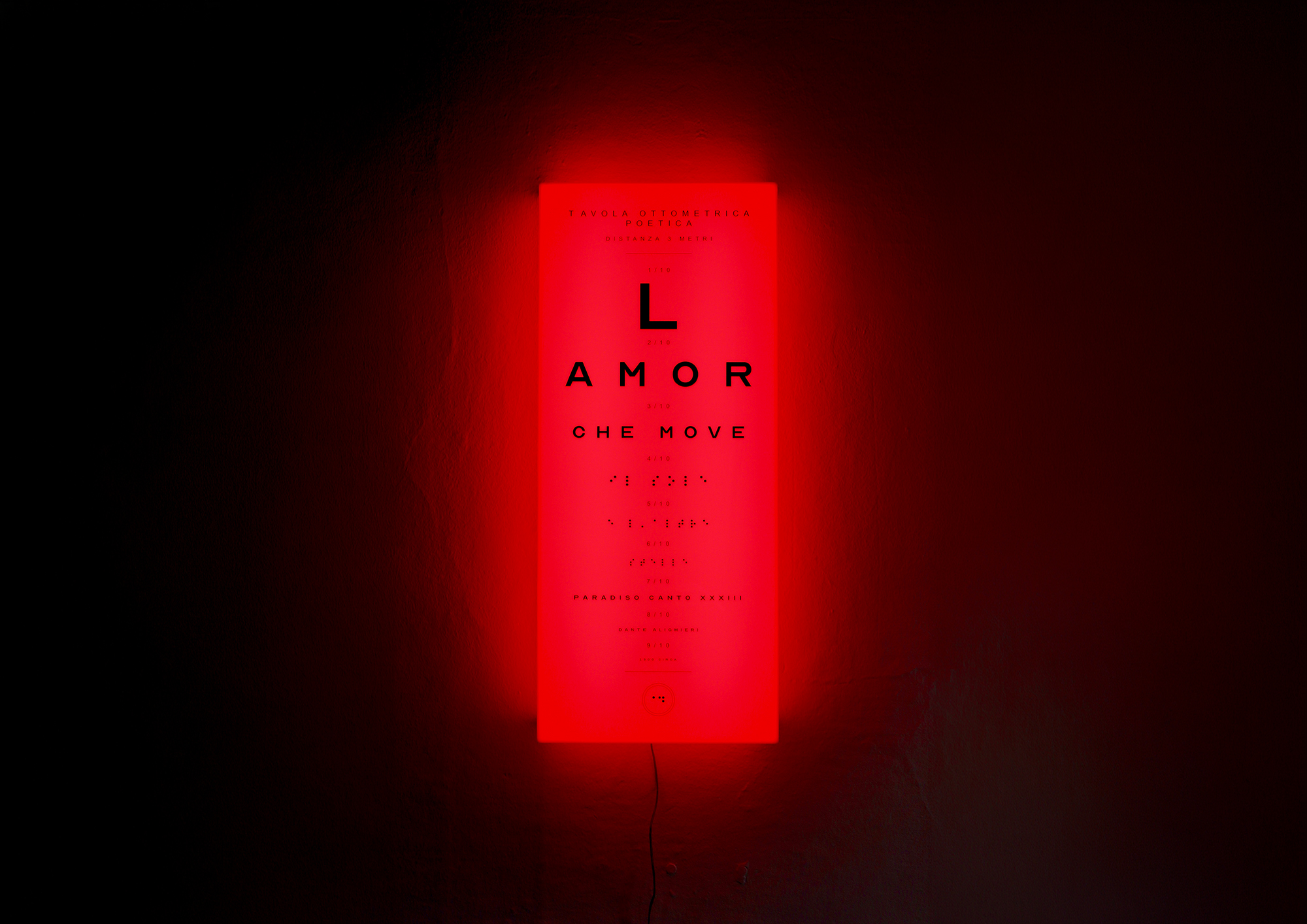
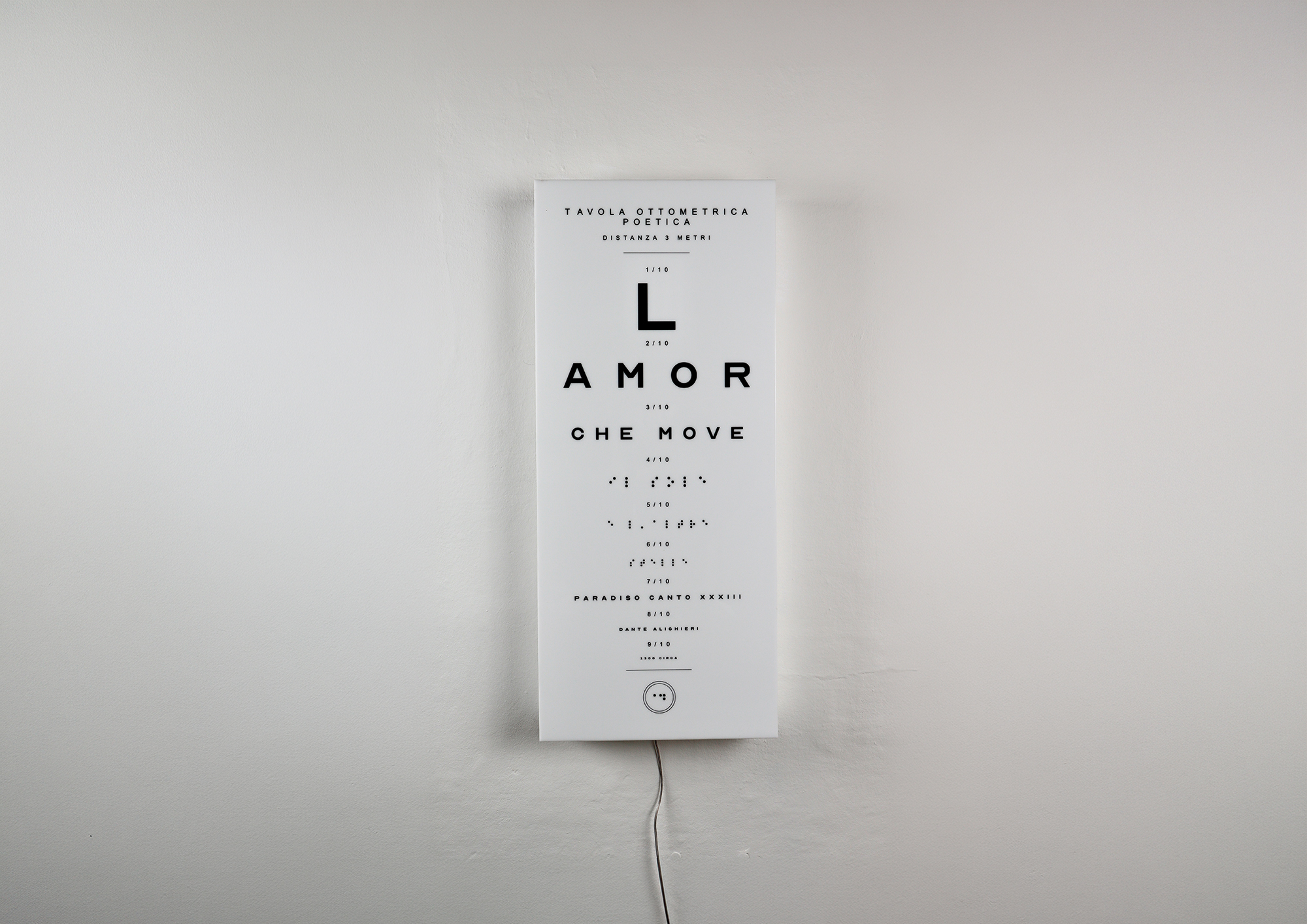
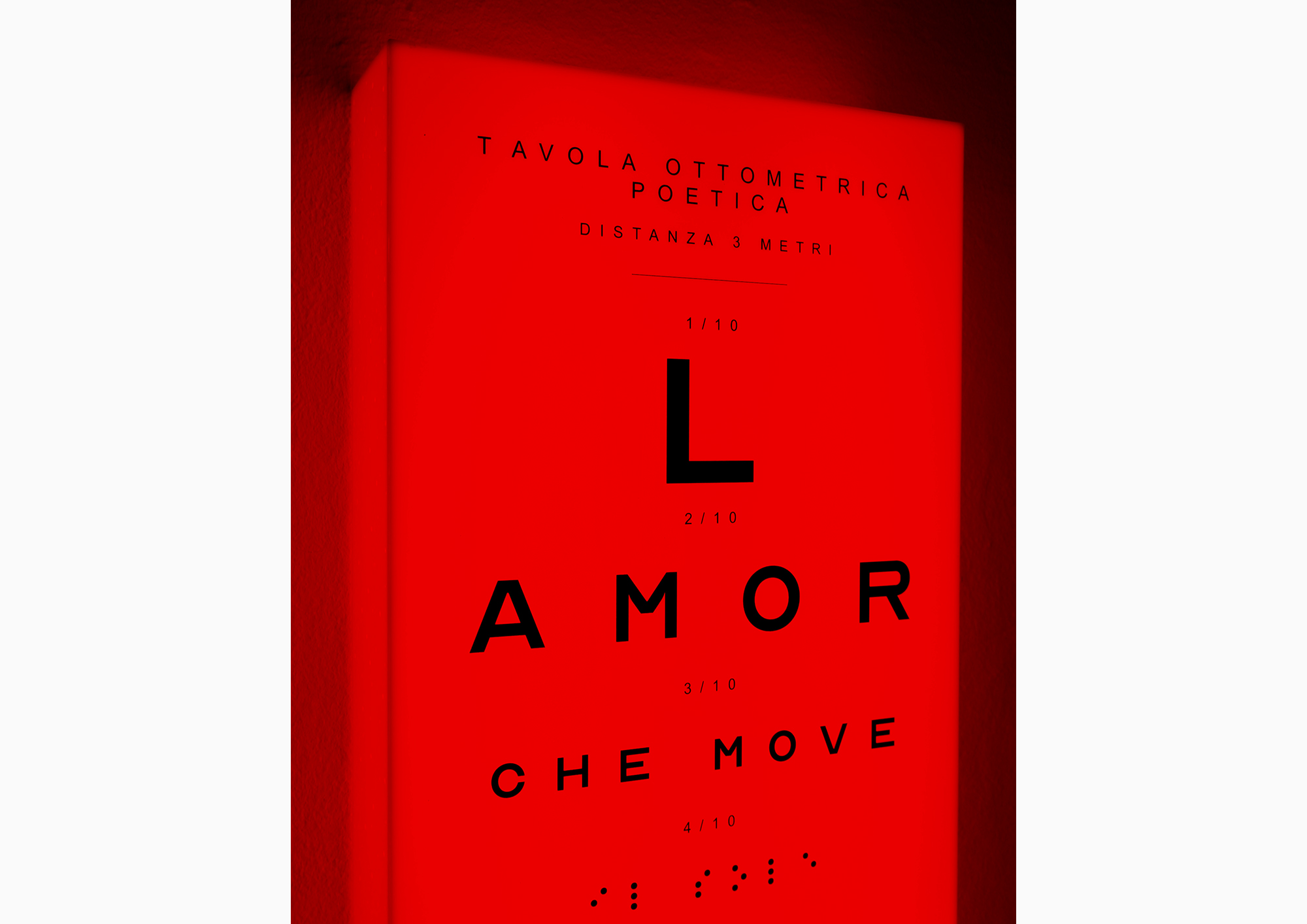
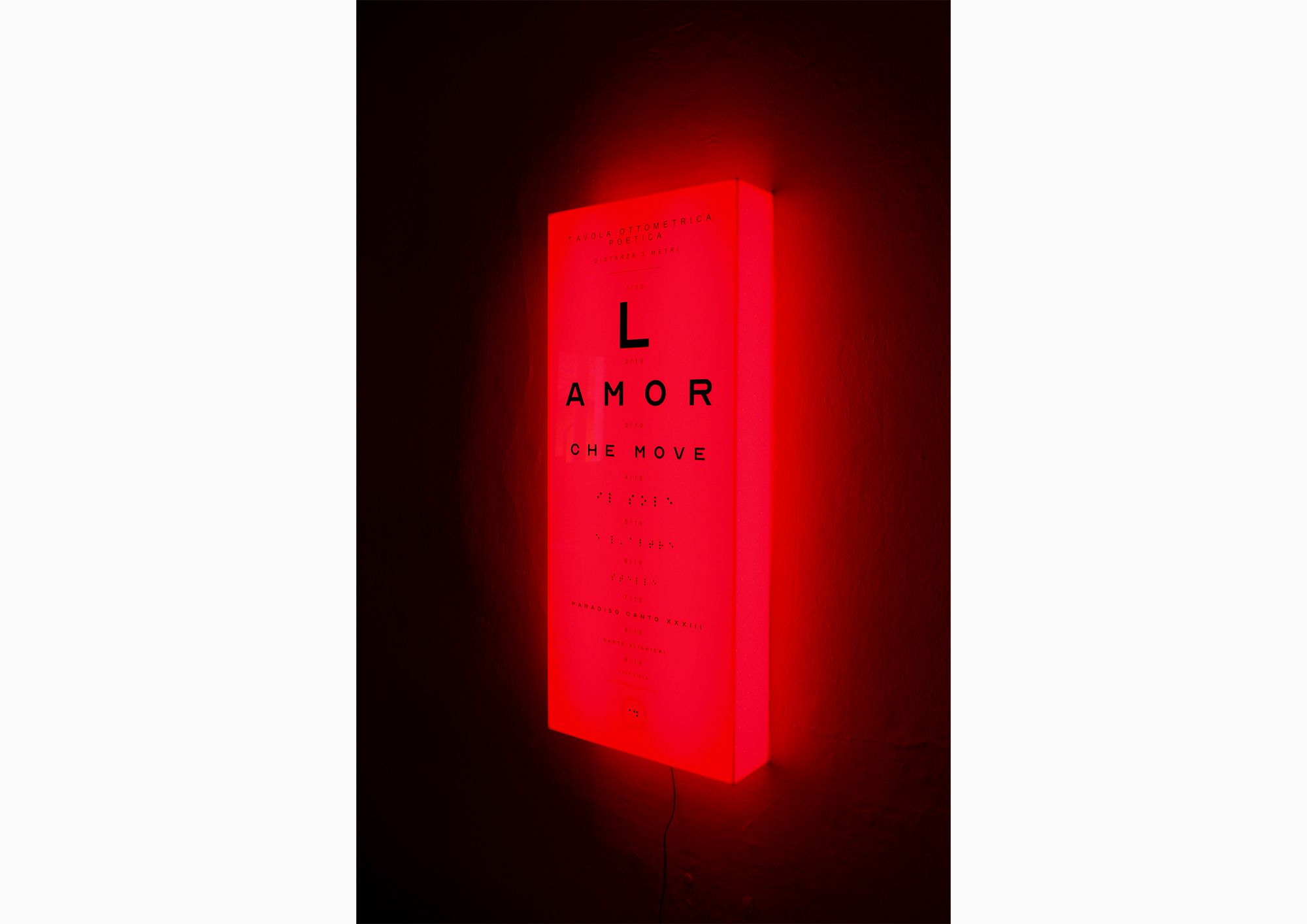
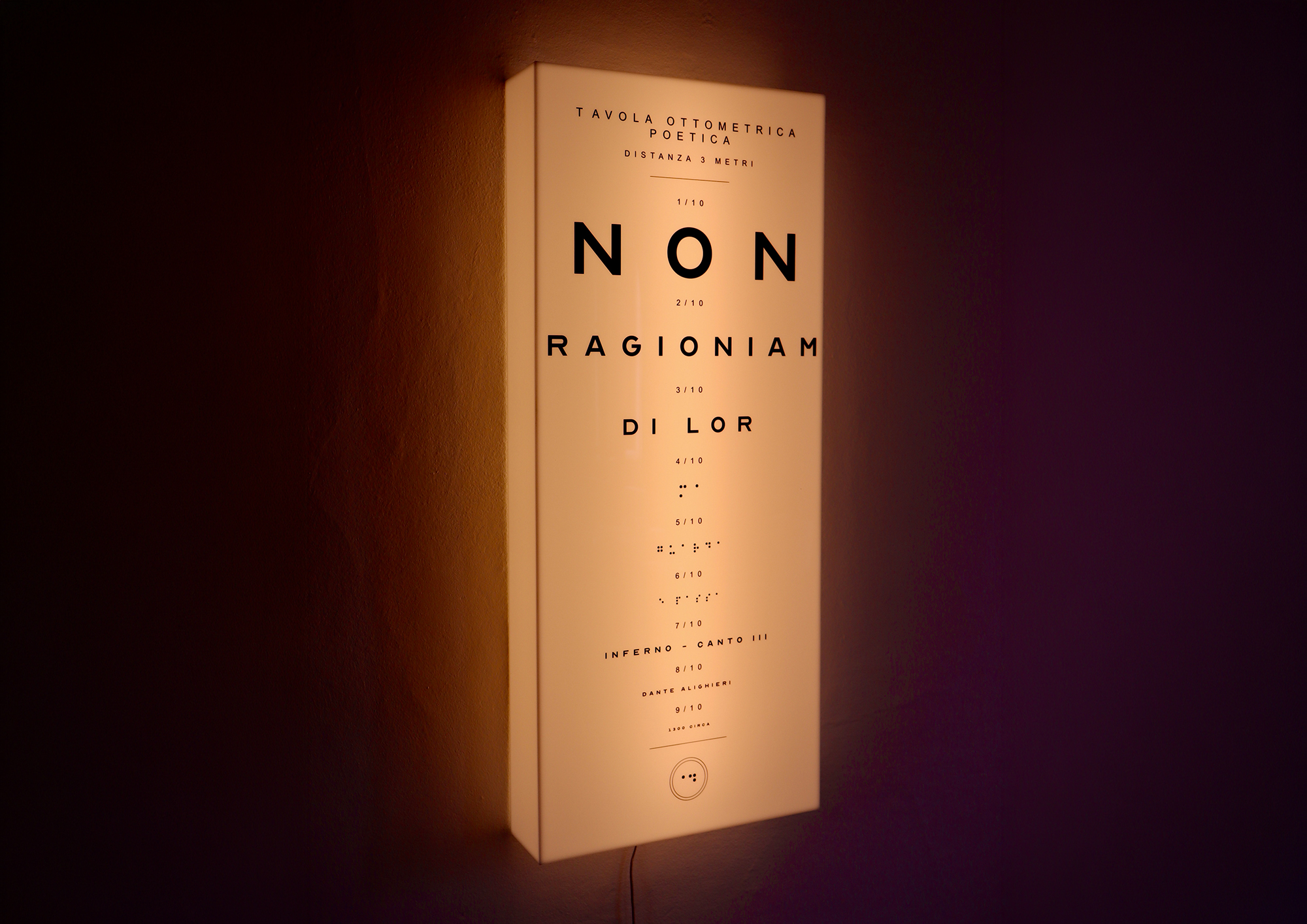
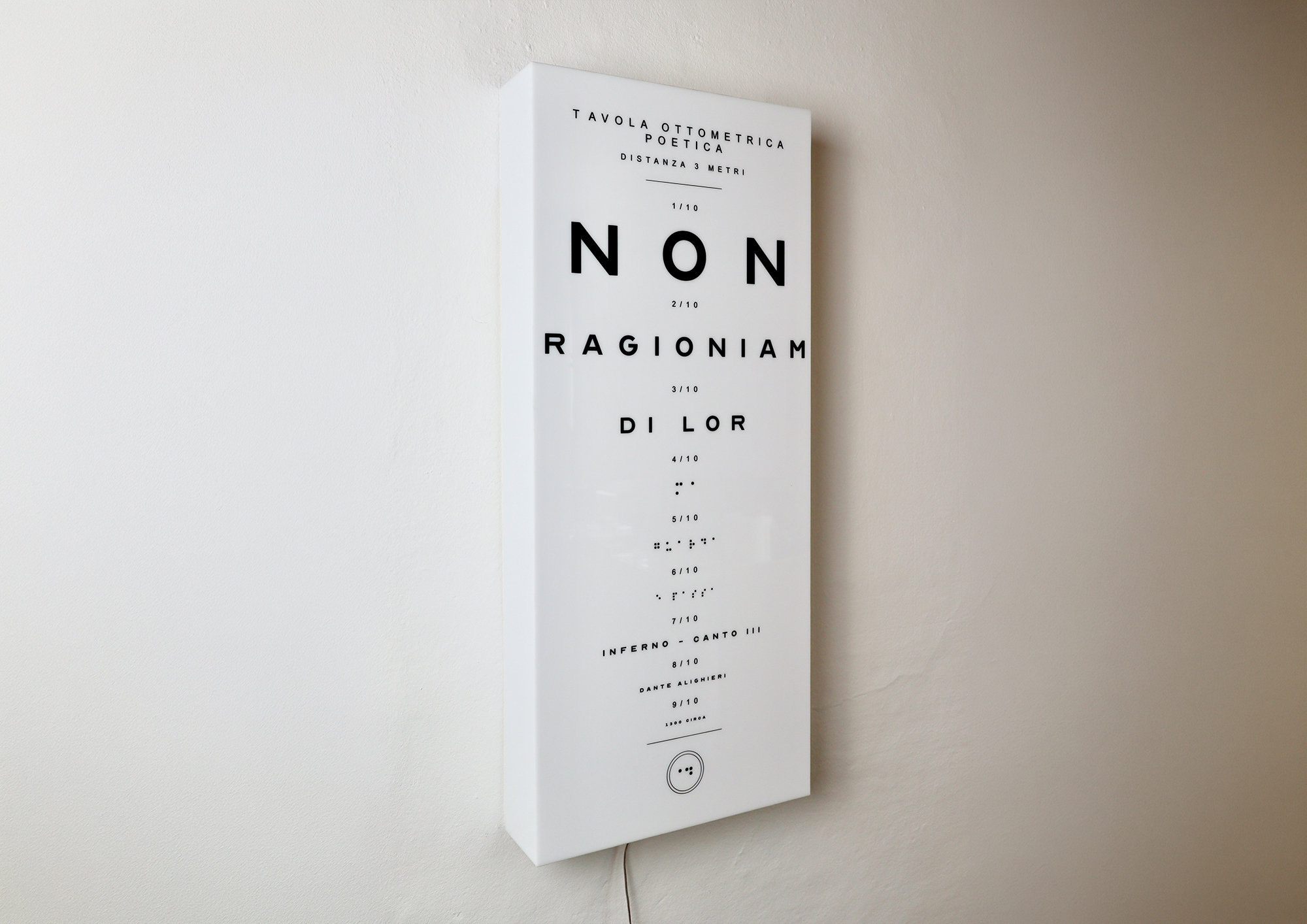
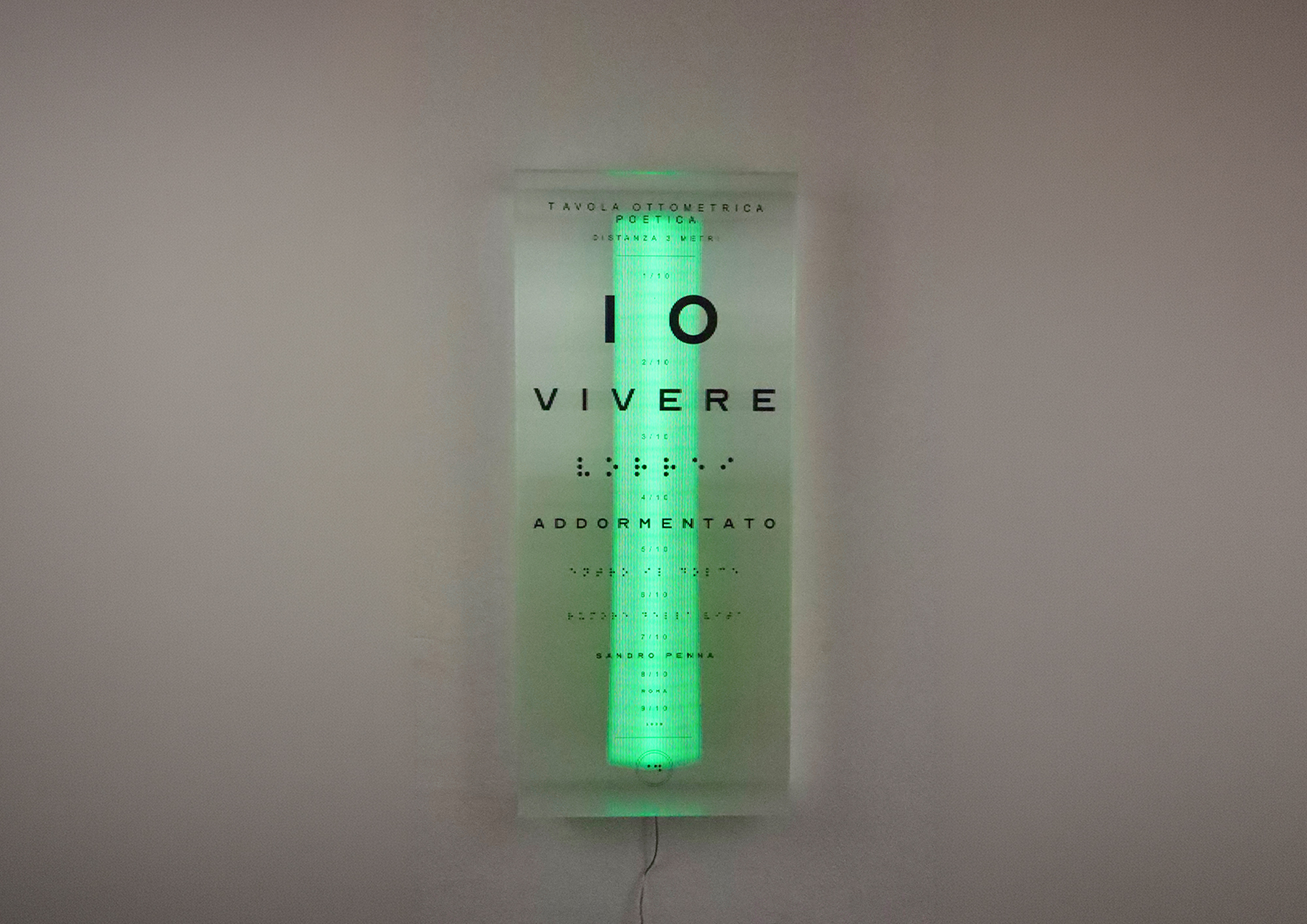
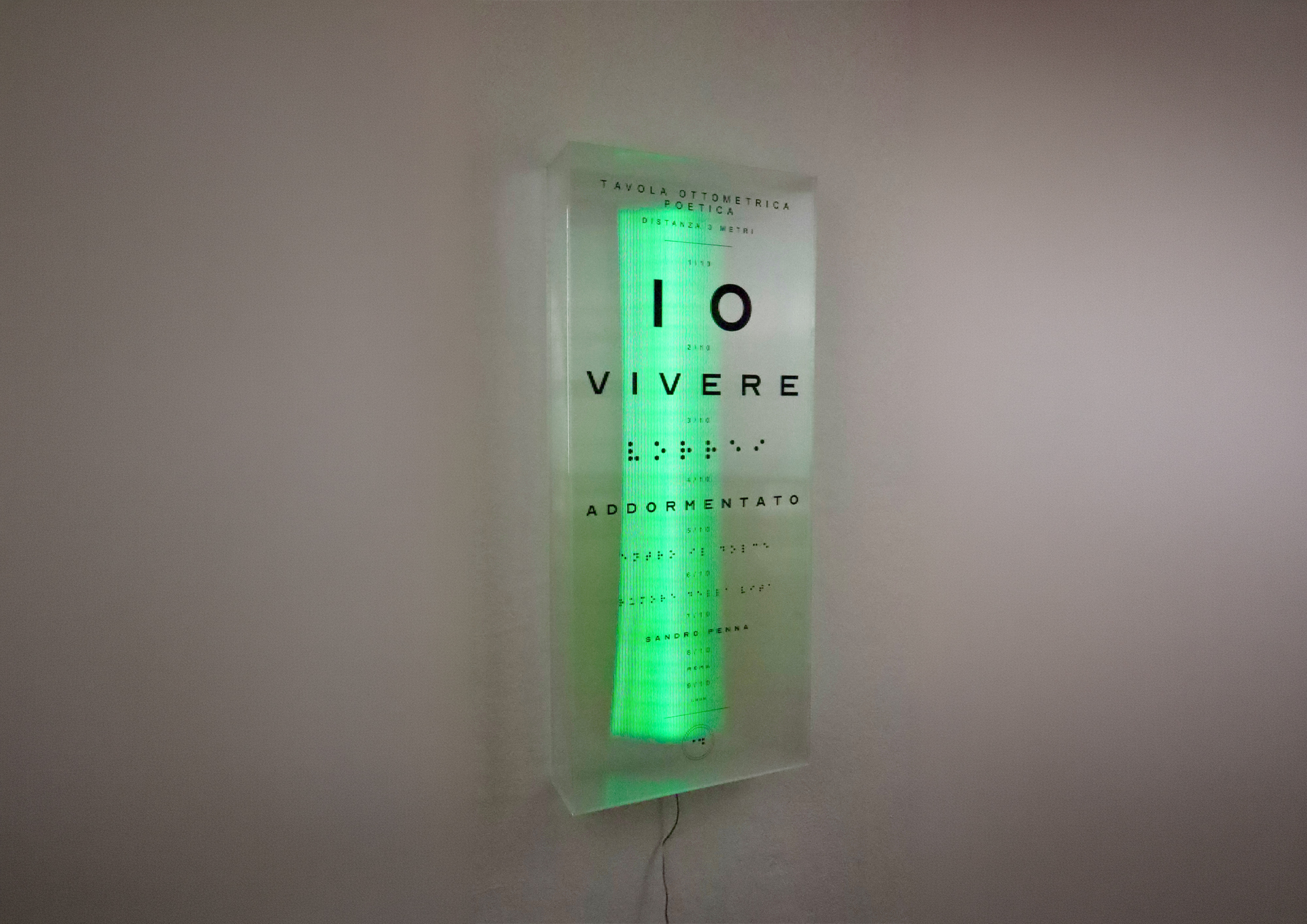
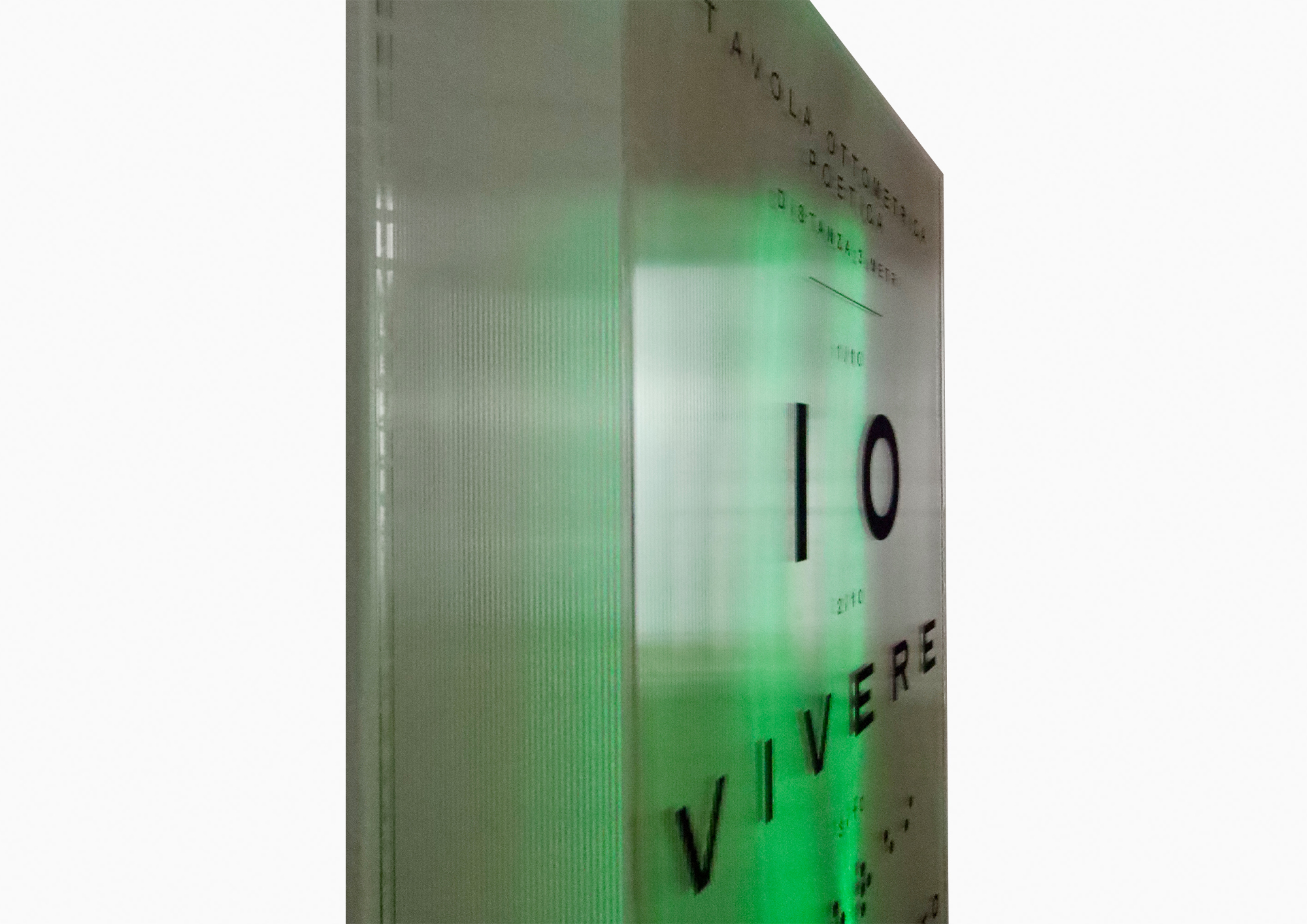
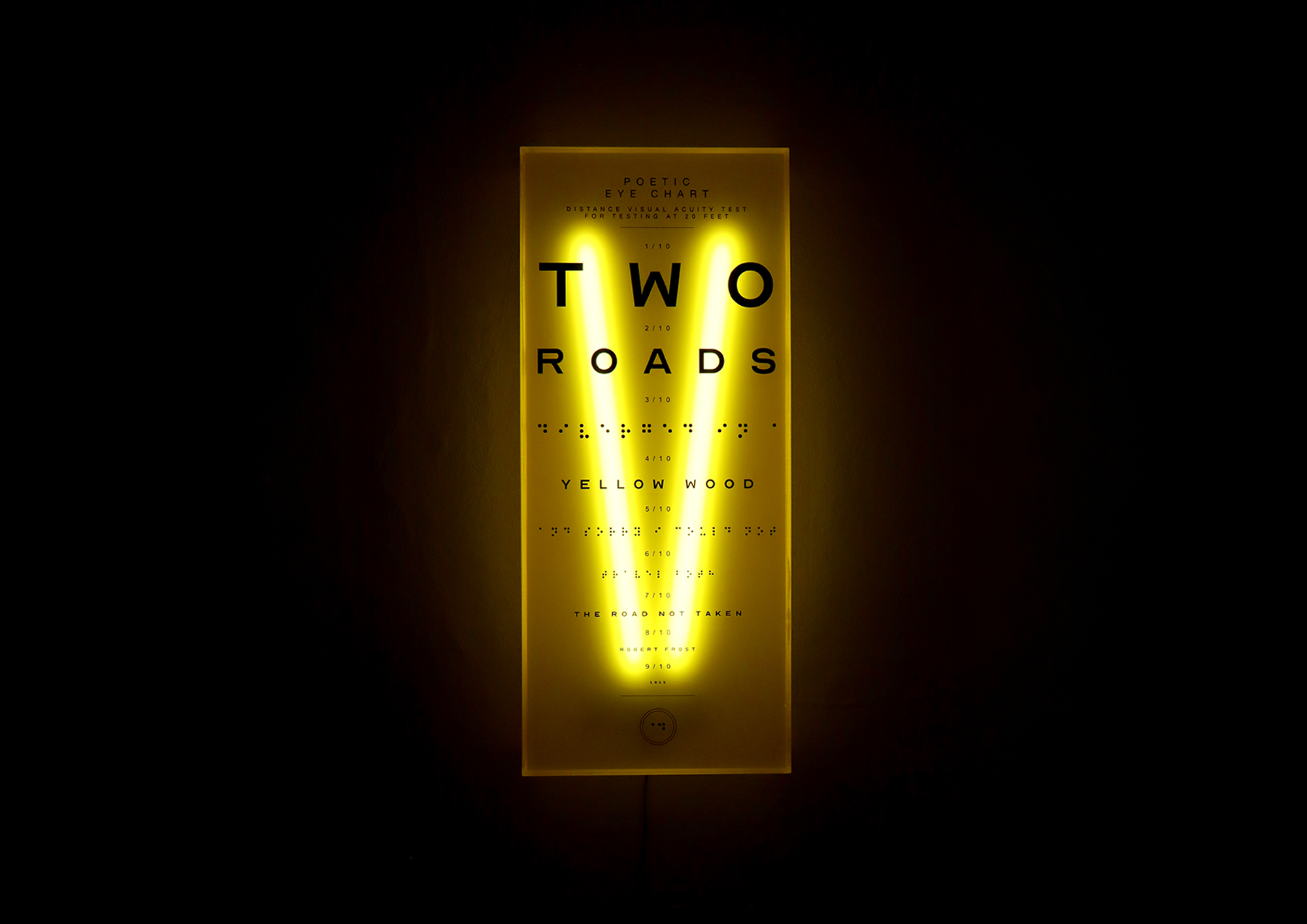
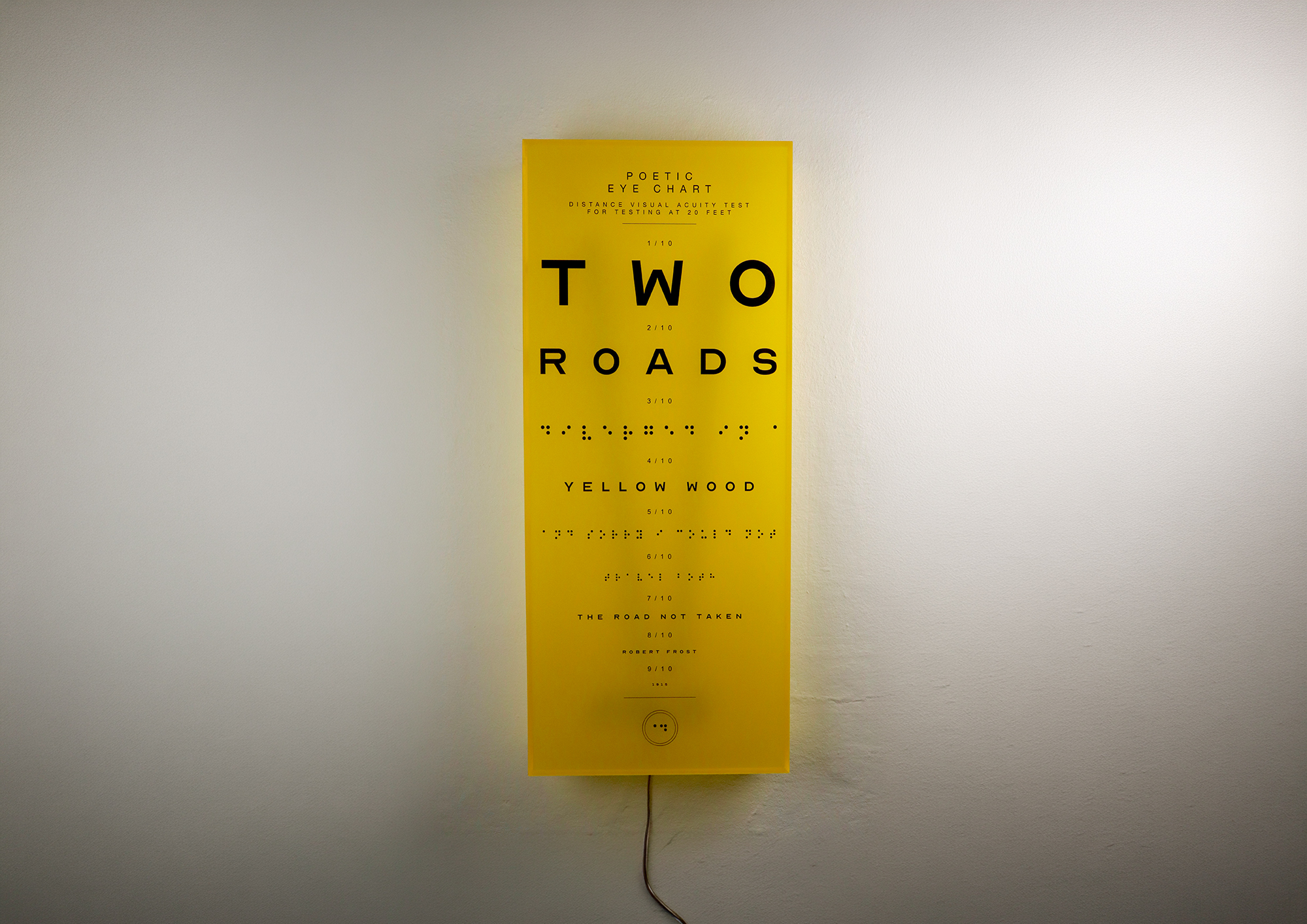
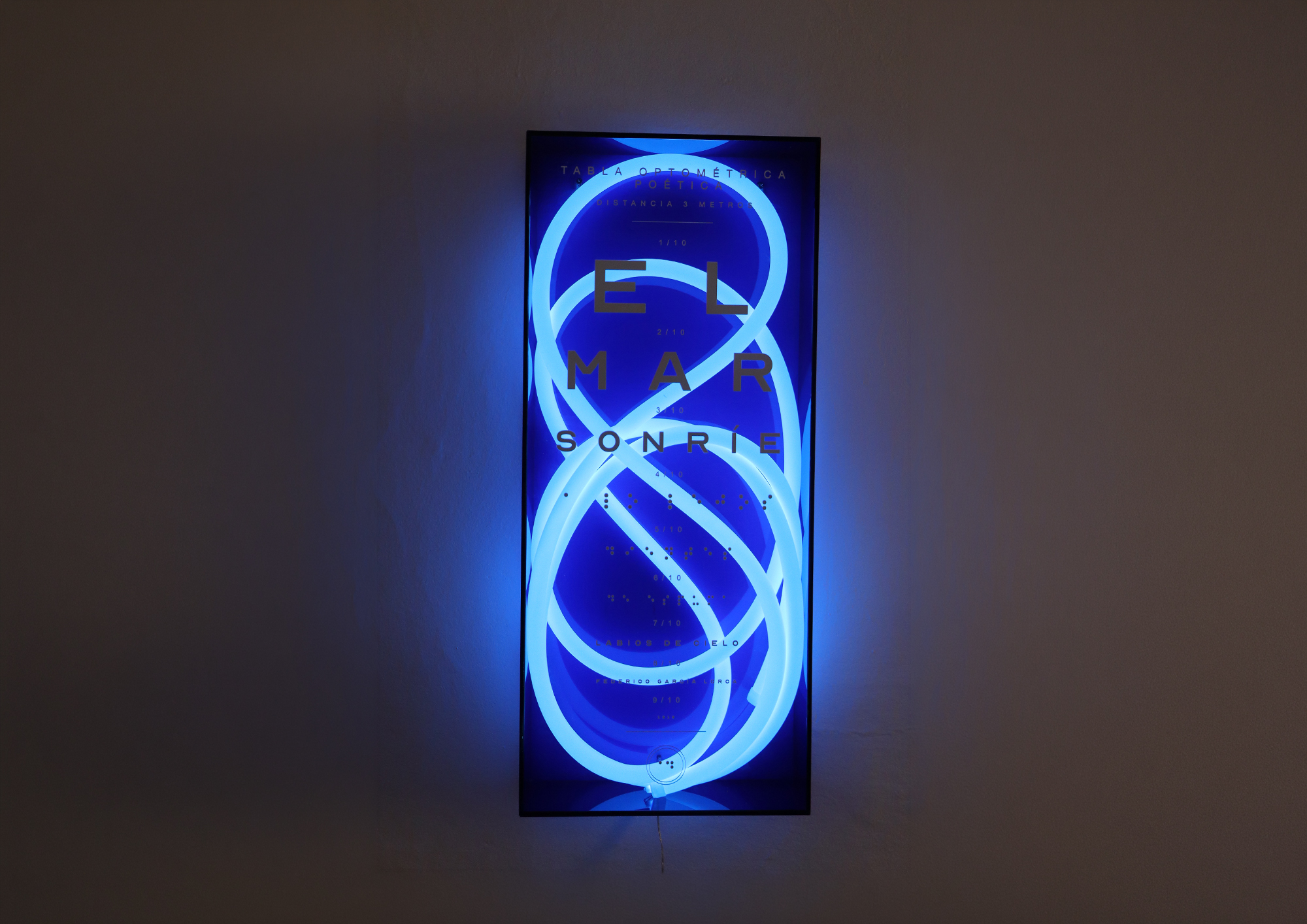
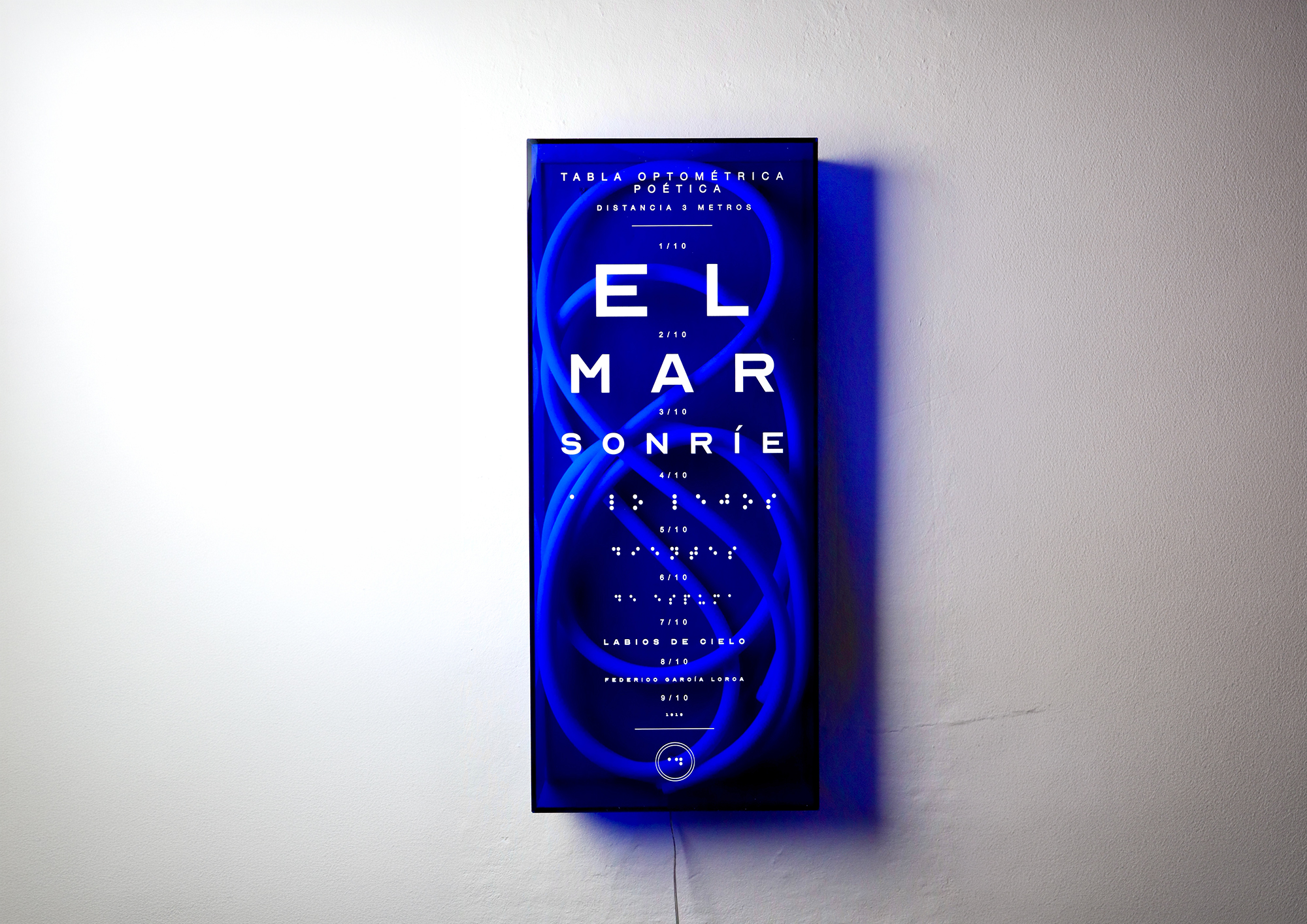
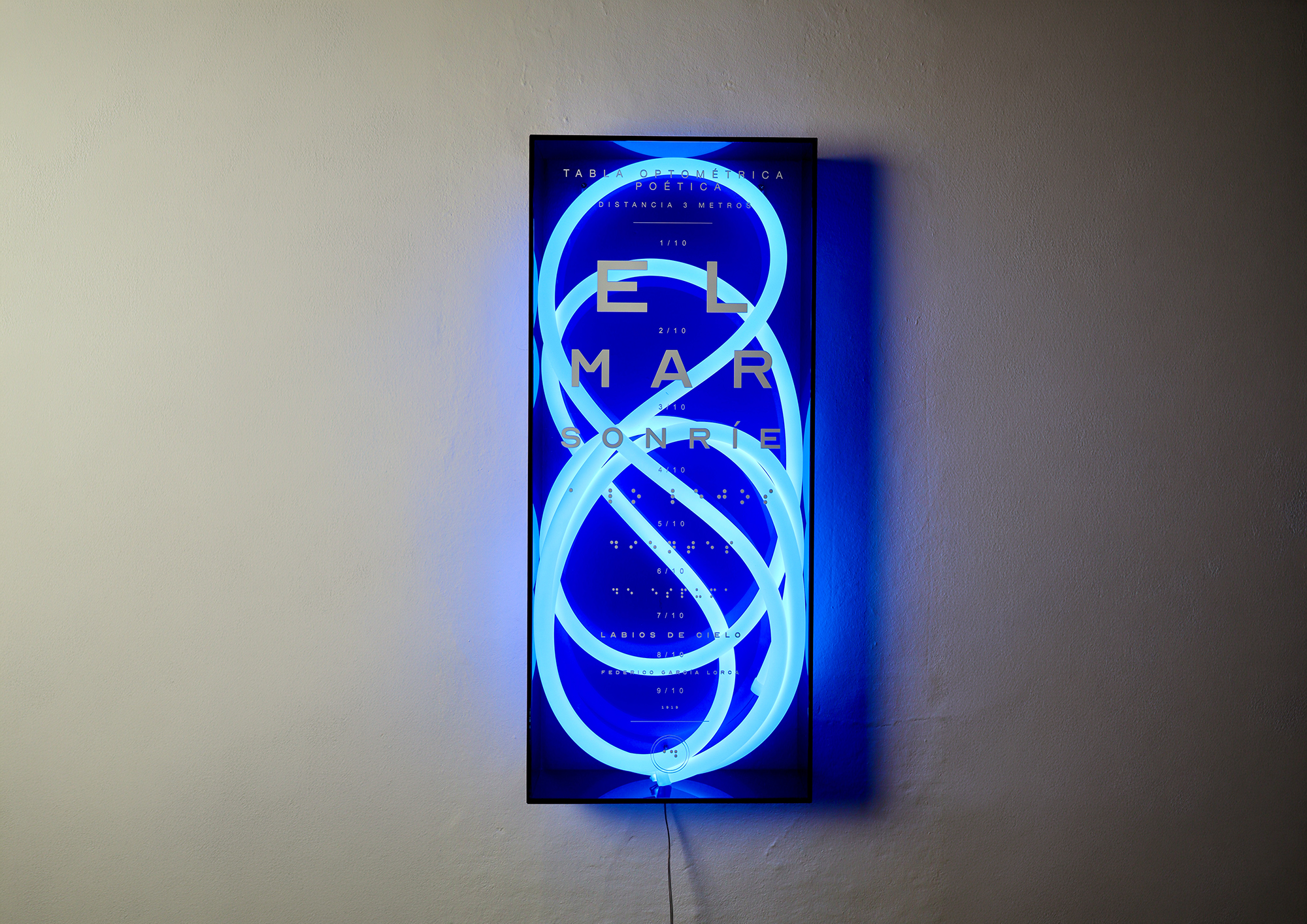
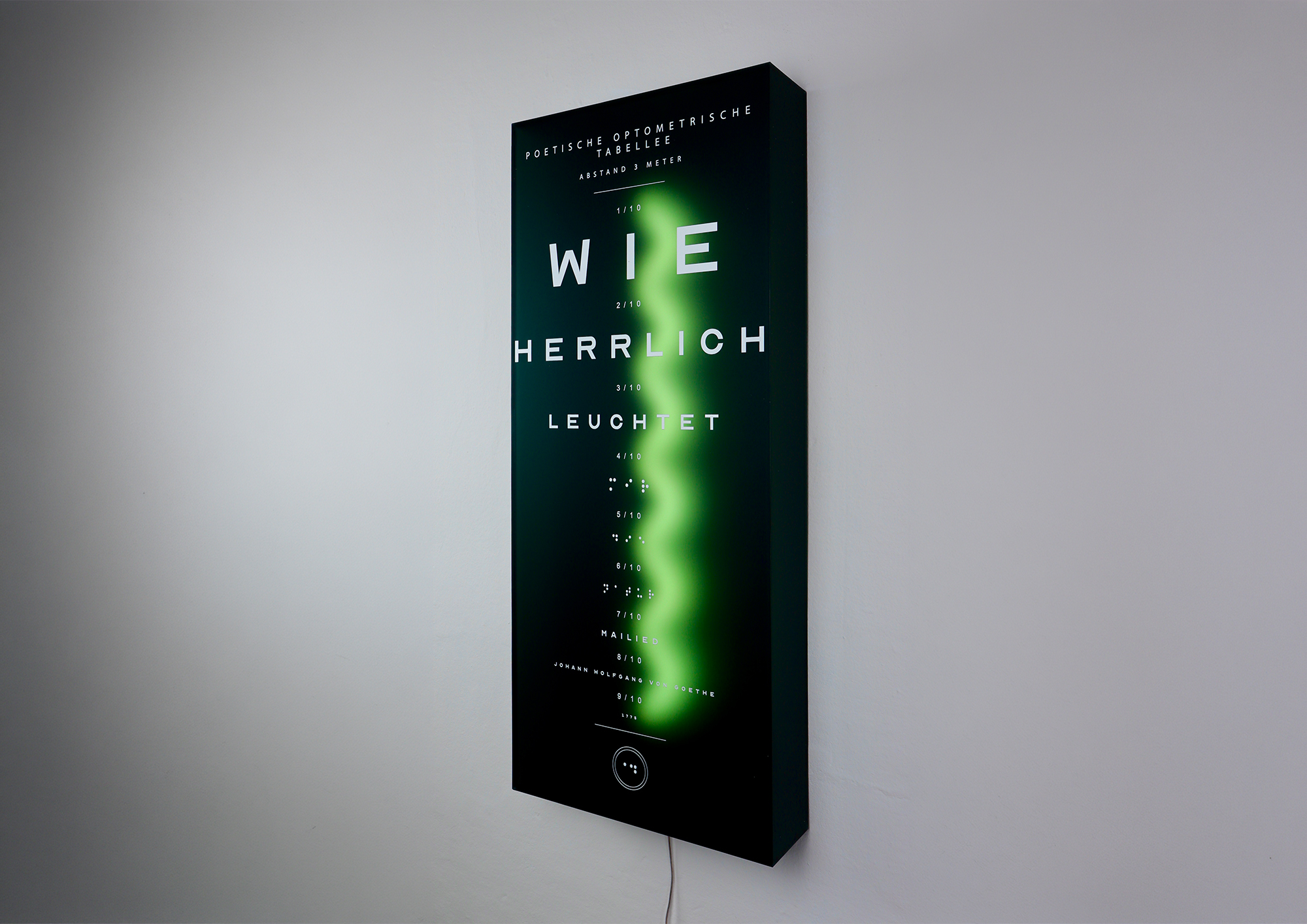
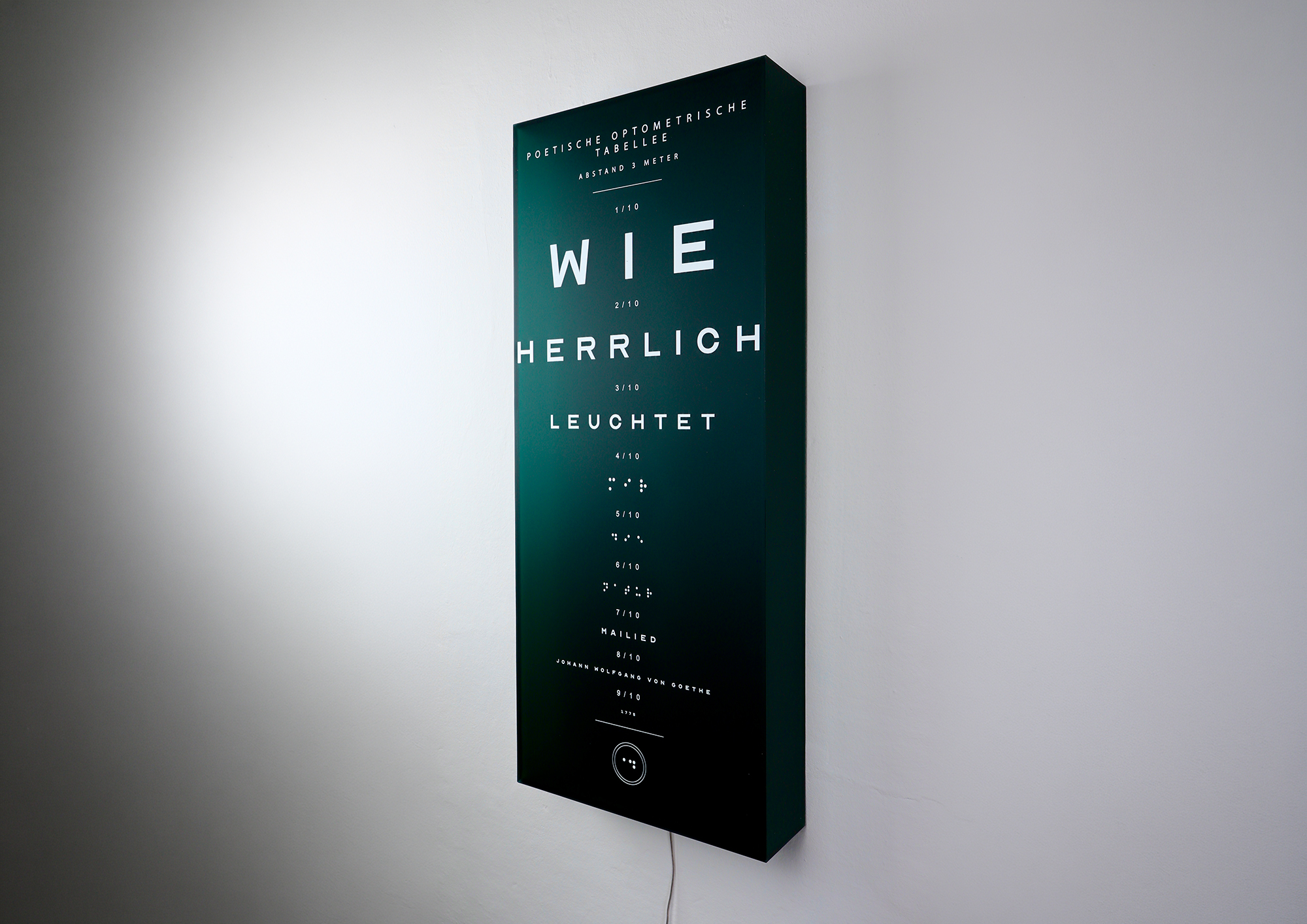
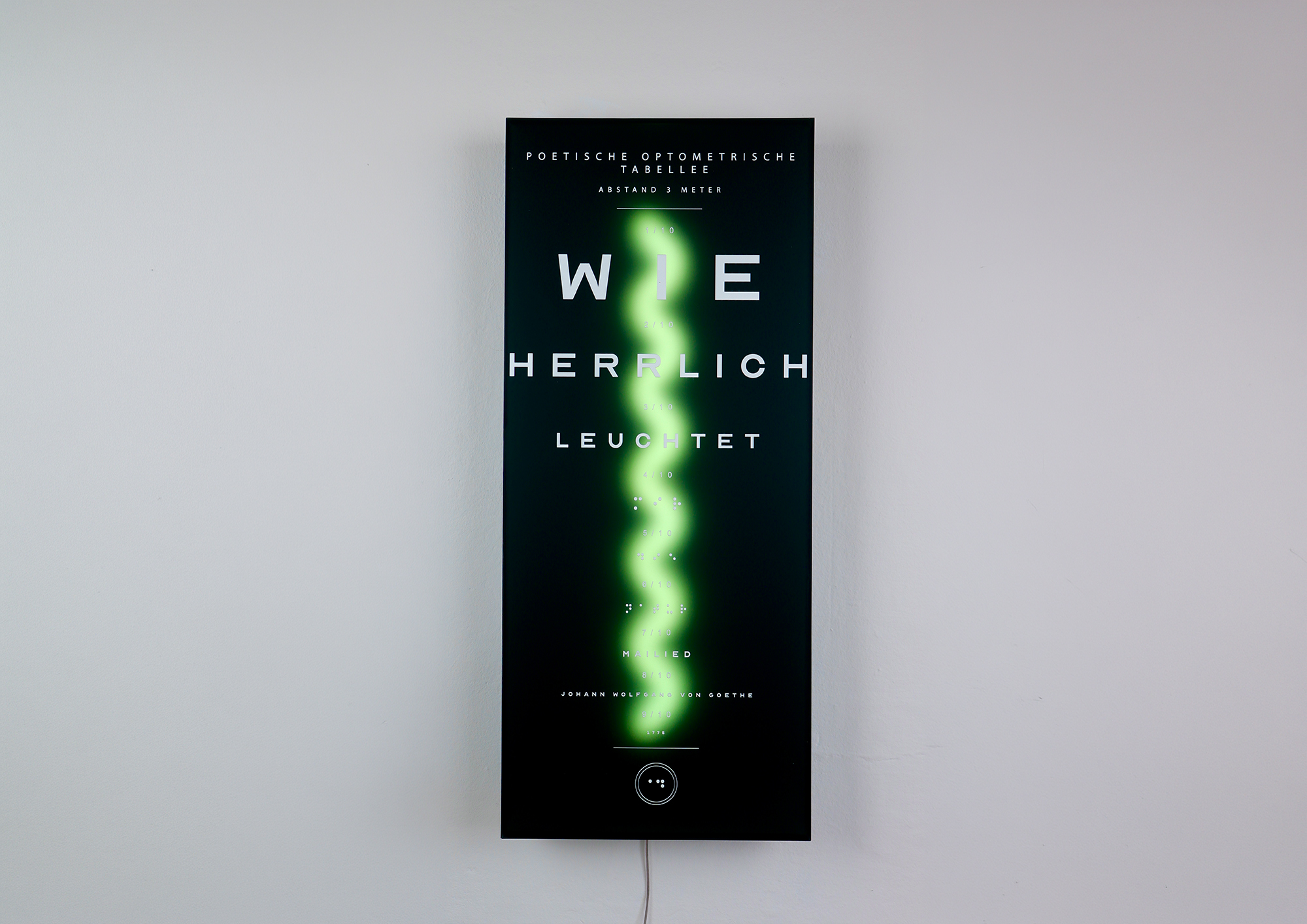
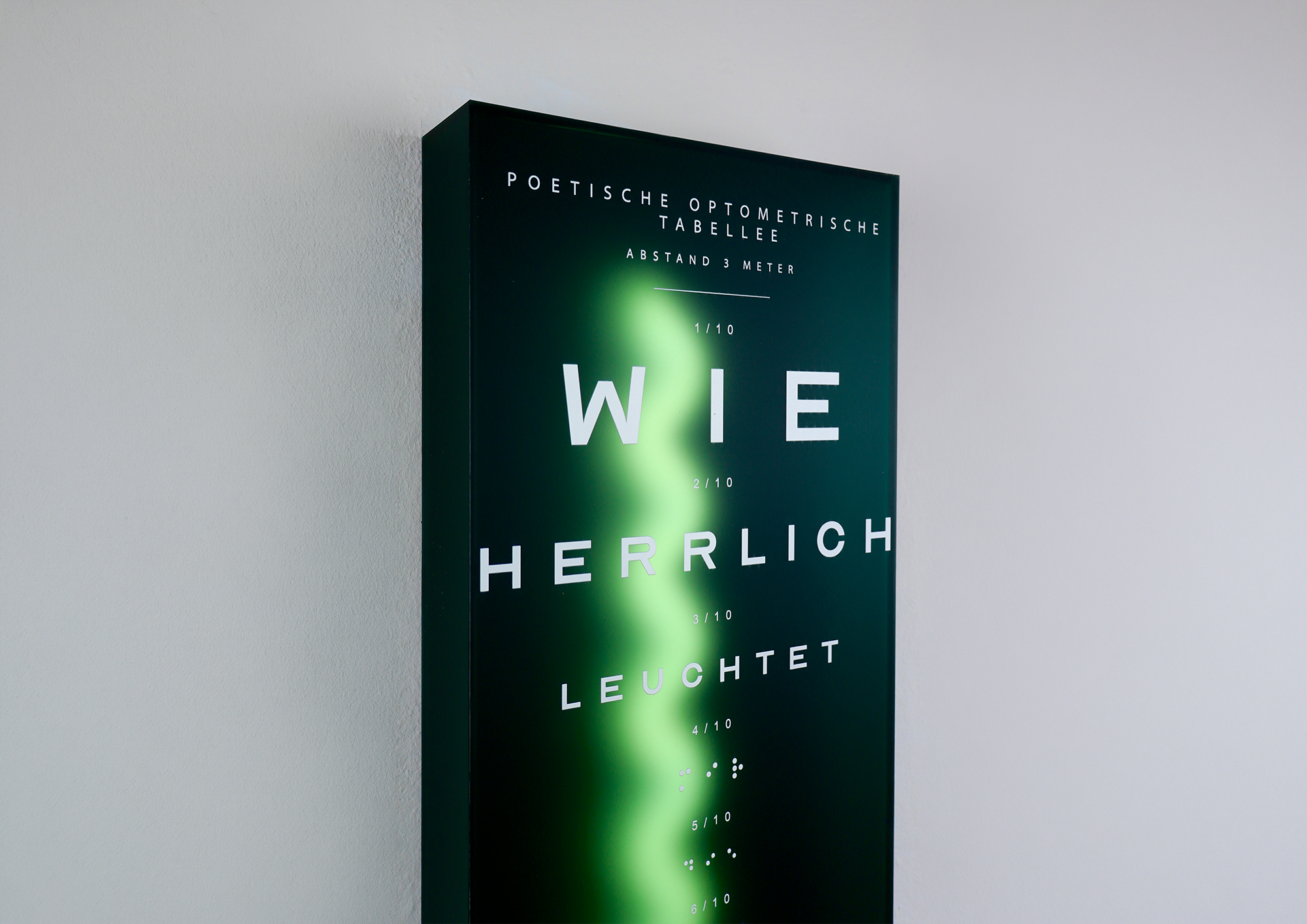
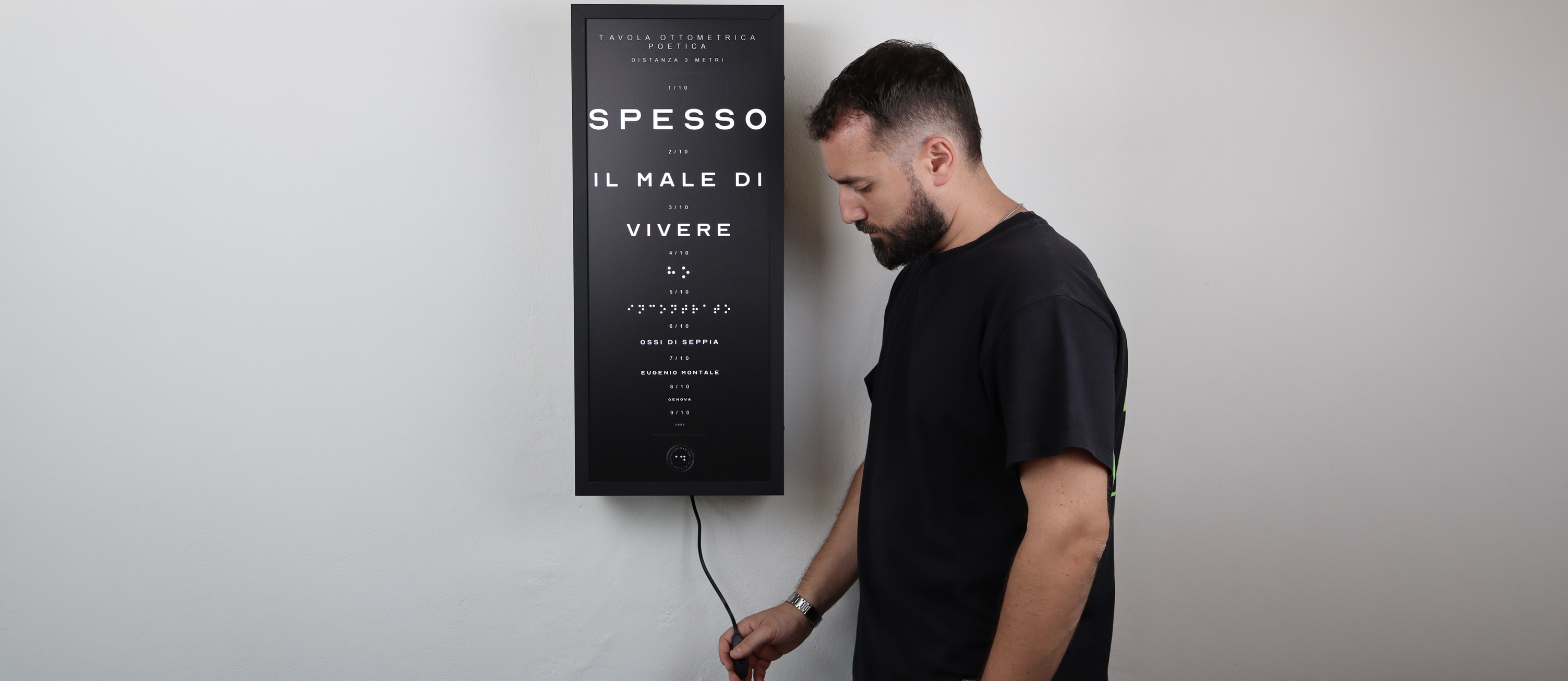
Alessandro D'Aquila is an Italian contemporary artist whose conceptually driven practice explores perception, empathy and the unseen through the unique visual language of Braille. Originally from Abruzzo and now based in Milan, Alessandro has developed a distinctive body of work that transforms a tactile system of communication into a powerful artistic device, inviting audiences to question how we see, interpret and understand the world around us.
Born in 1989, Alessandro's practice was profoundly shaped by a formative experience in childhood that left him with a fear of losing his sight. This personal history became the catalyst for an ongoing artistic investigation into vision, absence and awareness. Through the use of Braille, he discovered a visual language that is at once enigmatic, minimalist and deeply symbolic, one that has become both his signature and the foundation of his practice.
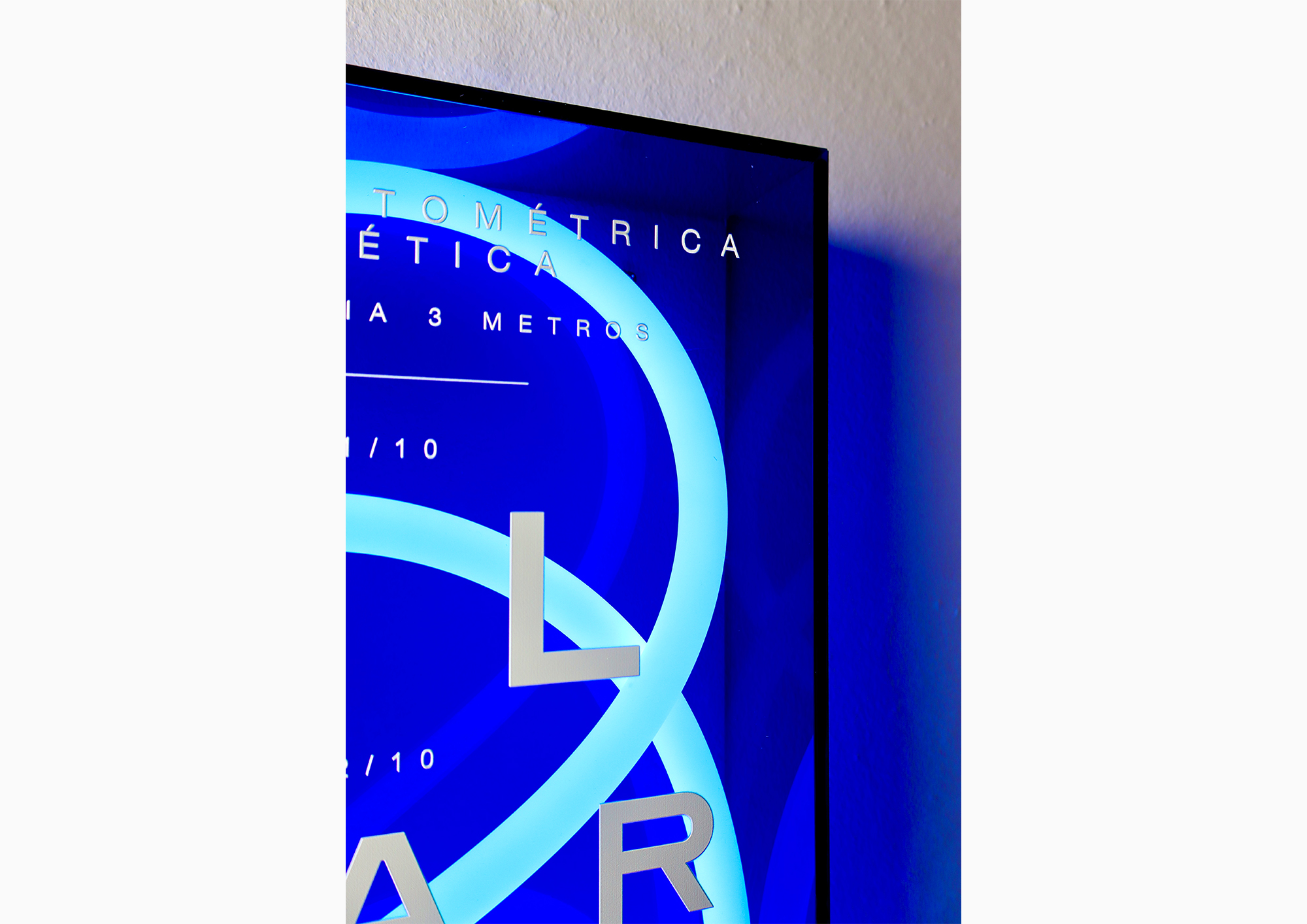
Working with striking simplicity, Alessandro reduces complex ideas to essential forms, allowing line, space and Braille to coexist in carefully balanced compositions. His works challenge the speed and superficiality of contemporary life, encouraging viewers to slow down, look beyond the visible and engage with ideas that cannot always be understood through sight alone.
At the heart of Alessandro's practice is a commitment to expanding perspectives. By placing Braille, a language designed to be touched rather than seen, at the centre of his work, he encourages greater awareness of disability while questioning conventional ideas of communication, perception and inclusion. His paintings invite viewers to move beyond prejudice and assumption, replacing certainty with curiosity and empathy.
Today, Alessandro's work is held in private collections internationally and continues to establish him as one of Italy's most distinctive emerging contemporary artists, celebrated for a practice that is both visually refined and conceptually profound.
Artist Statement
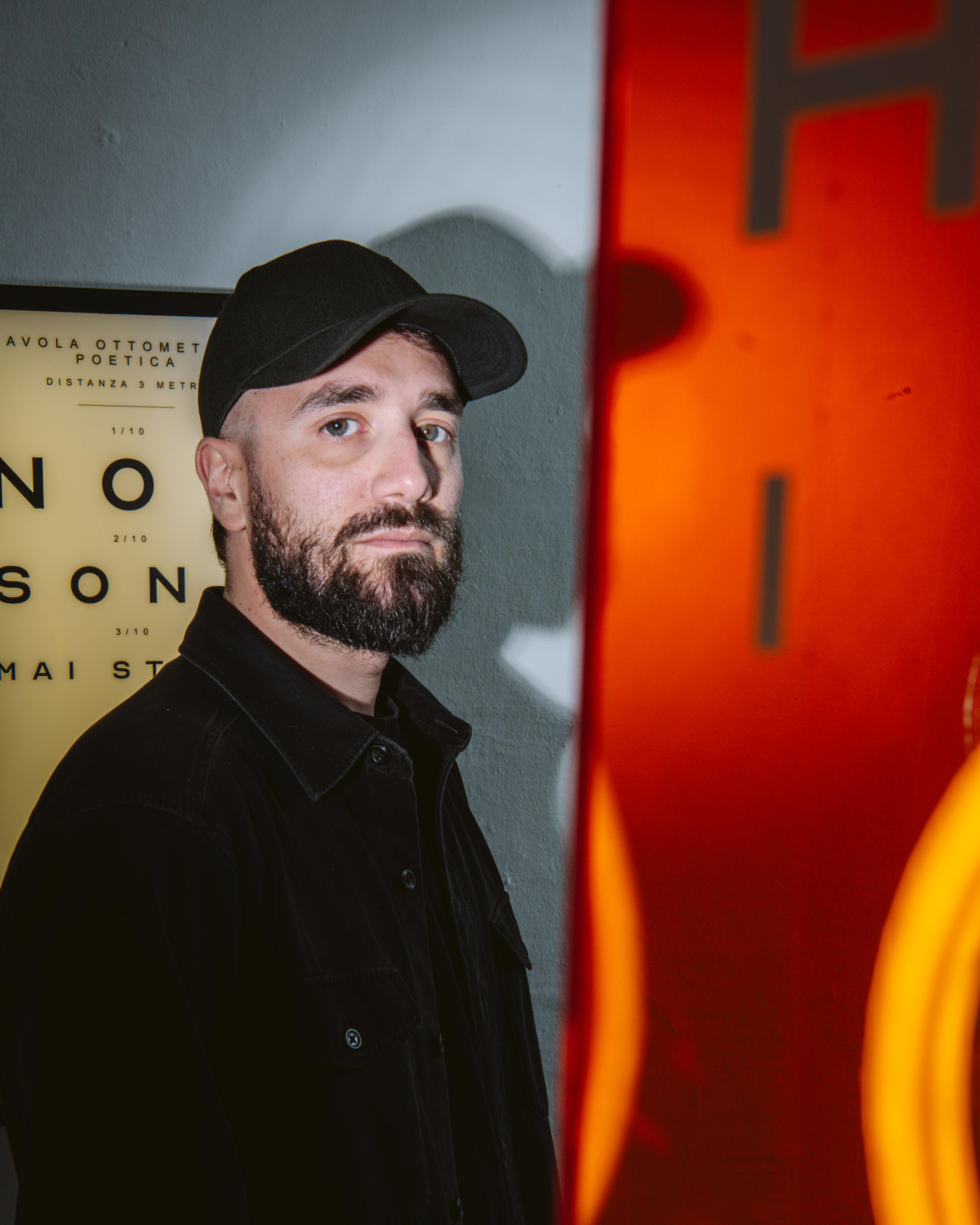
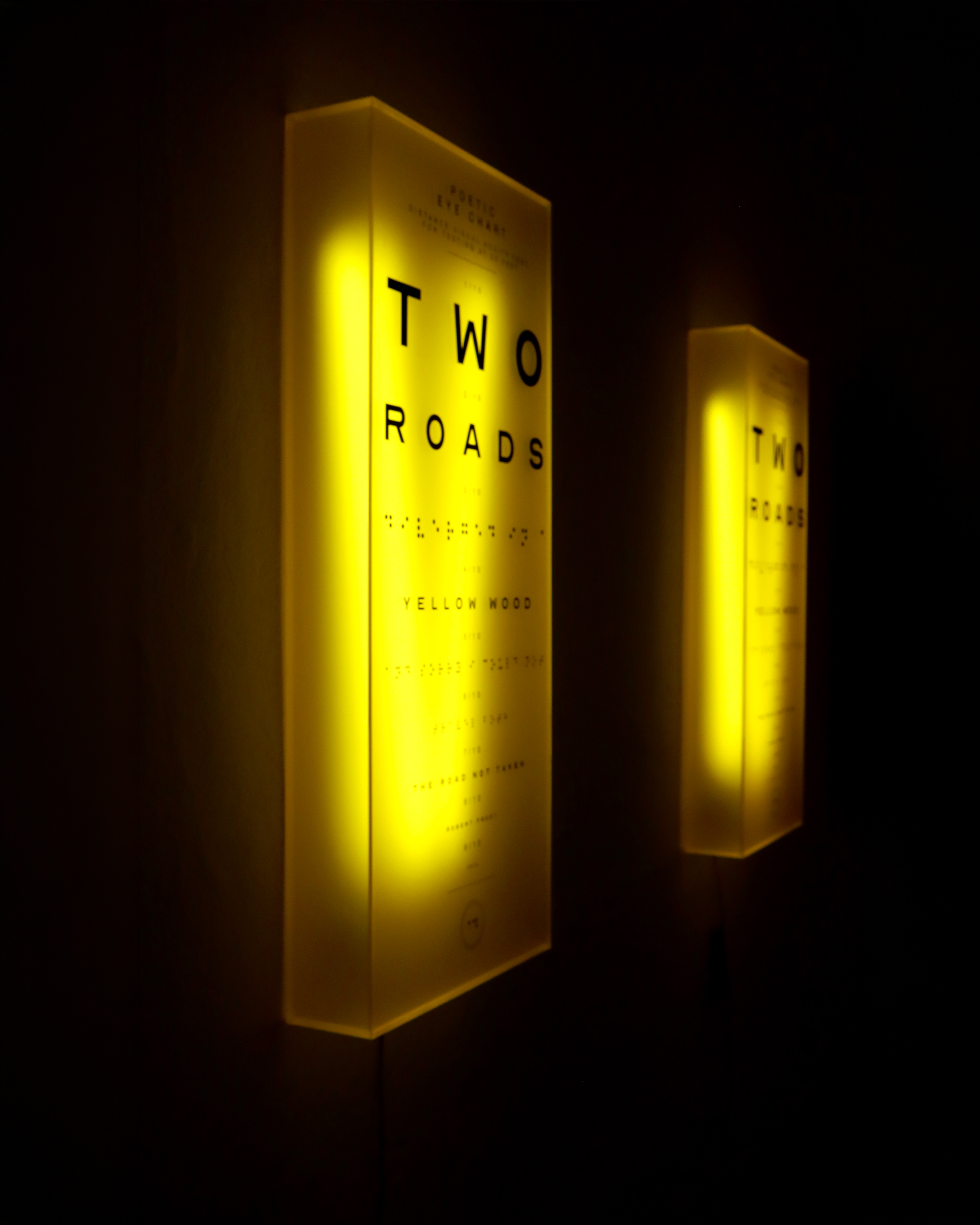
“My work begins with a simple question: what happens when we can no longer rely on sight? Braille became the answer ”
Although it is a language created to be read through touch rather than vision, I discovered within it an extraordinary visual power. Its rhythm, repetition and structure offered me a new artistic language one capable of communicating far beyond words while inviting viewers to question the limits of perception itself.
My practice is deeply personal. As a child, I experienced a moment that left me with a profound fear of losing my sight. Rather than allowing that fear to define me, I transformed it into the foundation of my artistic research. Through Braille, I found a way to confront that experience while exploring broader ideas of empathy, accessibility and the ways we relate to one another.
I am interested in synthesis reducing complexity to its essential form. With only a few lines, carefully considered details and the presence of Braille, I seek to create works that encourage contemplation rather than explanation. The simplicity of the image asks viewers to slow down, look beyond the obvious and discover meanings that reveal themselves through patience and reflection.
My work also questions the way society perceives disability. By placing the viewer in an unfamiliar position able to see but unable to read I reverse conventional expectations. In that moment, certainty disappears, curiosity emerges and the experience becomes one of greater awareness rather than limitation.
Ultimately, my works are invitations to look beyond what is immediately visible. They remind us that some of the most meaningful forms of communication cannot be seen at all. Sometimes, by closing our eyes, we begin to understand what truly matters.